
Table of Contents
- Common Electrical Issues in Coastal Homes: What Every Waterfront Owner Should Know
- How Salt Air and Corrosion Affect Coastal Electrical Systems
- Benefits of Corrosion Resistant Electrical Panels and Components
- How to Inspect and Maintain Your Coastal Electrical System
- Best Practices for Preventing Electrical Issues in Coastal Homes
- Protect Your Coastal Home with Proactive Electrical Care
Common Electrical Issues in Coastal Homes: What Every Waterfront Owner Should Know
Beyond the natural beauty of waterfront living, homeowners face unique electrical challenges. Among the most persistent are common electrical issues in coastal homes, where the constant presence of salt-laden air accelerates deterioration in ways not seen inland.
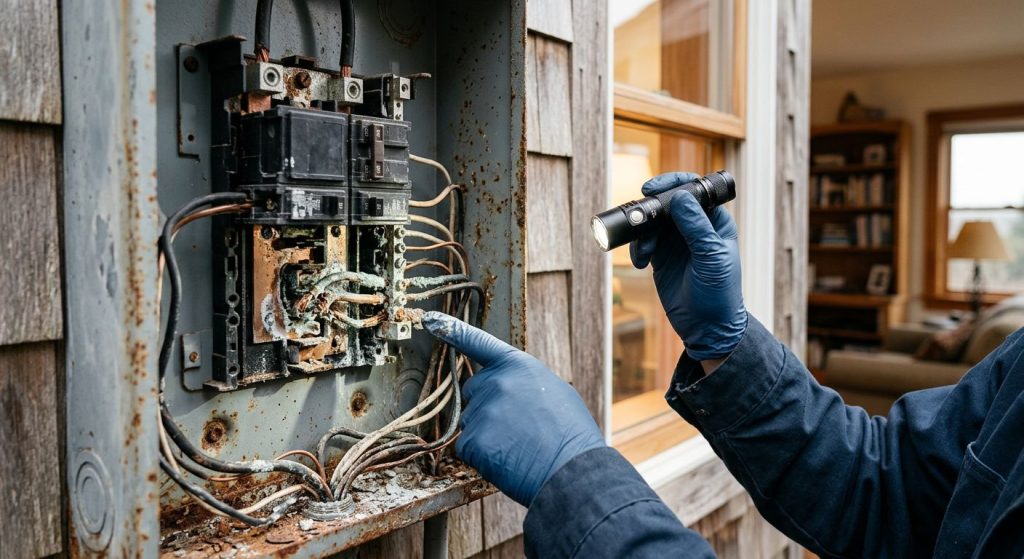
Salt air electrical corrosion is a leading culprit in component failure. When salt particles settle on electrical panels, outlets, and wiring, they attract moisture and promote oxidation. This corrosion increases electrical resistance, generating excess heat that can lead to fire hazards or intermittent power disruptions. Homeowners who notice flickering lights, warm outlet covers, or a burning smell near the breaker panel should have the system evaluated by a professional electrician. To reduce these risks, the Electrical Safety Foundation International recommends following electrical safety tips and resources for homes in corrosive environments, including routine inspections and immediate replacement of corroded components.
Moisture intrusion compounds the problem. High humidity and seasonal storm spray can seep into conduit systems, causing rust and short circuits that trip breakers unexpectedly. Proximity to water can also create grounding issues, particularly where sandy soil fails to provide stable dissipation paths for fault currents. International standards set by the Innovative Engineering Consortium (IEC) guide safe installations in coastal environments, emphasizing corrosion resistant electrical panels, sealed conduit entries, and stainless steel hardware that withstand aggressive conditions far longer than standard indoor-rated equipment.
Recognizing these issues is the first step toward protecting your home—the next section covers how to address them. For expert assistance, contact Marina del Rey’s Trusted Local Electricians to request a quote.
How Salt Air and Corrosion Affect Coastal Electrical Systems
Coastal living offers remarkable views and refreshing breezes, but it also creates unique challenges for residential electrical systems. In ocean-adjacent communities, common electrical issues in coastal homes stem primarily from the persistent presence of salt-laden air and elevated humidity levels. These environmental factors work continuously to degrade metal components, weaken connections, and compromise the integrity of safety devices. Understanding how salt air interacts with electrical infrastructure equips homeowners to recognize potential hazards before they escalate into serious safety concerns or costly system failures.
The Science Behind Salt Air Electrical Corrosion
Salt air electrical corrosion begins when microscopic salt particles suspended in the marine atmosphere settle onto exposed metal surfaces. As humidity rises, these particles dissolve into the thin layer of moisture that naturally forms on outlets, panel interiors, and wire connections. This creates a conductive electrolyte solution that triggers galvanic corrosion, systematically breaking down copper wiring, steel enclosures, and aluminum connections over time. The process accelerates dramatically in coastal settings because the salt concentration remains persistently high compared to inland environments, and the natural humidity cycles provide continuous moisture for the electrochemical reactions to proceed.
According to international standards maintained by the International Electrotechnical Commission, electrical equipment in marine-adjacent locations requires specific protective measures against this aggressive corrosion process. The constant presence of salt and moisture means that metals in coastal electrical systems may degrade several times faster than identical components installed further inland, making periodic professional assessment essential for maintaining safe and reliable electrical service in these homes.
Visible Signs of Corrosion in Beachside Homes
Homeowners in coastal areas should remain vigilant for specific indicators that salt air corrosion has begun affecting their electrical systems. Green or white powdery residue accumulating on copper wires and terminal connections signals active copper corrosion, while reddish-brown rust formations on steel panel enclosures indicate ferrous metal degradation. Discolored or warped outlet plates, frequently flickering lights, and circuit breakers that trip repeatedly without obvious cause often point to corroded connections creating resistance and heat buildup within the wiring infrastructure. Left unaddressed, these deteriorating conditions can progress from minor nuisances to significant fire hazards.
Homeowners noticing these signs should schedule electrical repairs in Santa Monica promptly. Engaging a licensed electrician at the first indication of corrosion can prevent more extensive damage and help maintain the safety of the electrical system. Regular visual inspections, combined with professional evaluations, offer the most reliable means of detecting corrosion before it compromises electrical integrity throughout the residence.
Why GFCIs Fail More Often in Coastal Communities
Ground fault circuit interrupters, or GFCIs, are designed to protect against electrical shock by detecting minuscule current imbalances between hot and neutral conductors. In coastal environments, however, these sensitive safety devices face additional stress from moisture-induced leakage currents that develop as salt air corrosion progresses through outlet contacts and wiring junctions. The Electrical Safety Foundation International has documented that common electrical issues in coastal homes include elevated failure rates for GFCI outlets and breakers, which may trip far more frequently due to the conductive pathways that corrosion creates between energized components and grounded surfaces.
This heightened sensitivity means that GFCIs in coastal residences can malfunction or experience nuisance tripping at rates significantly above what occurs in inland installations. Annual testing of all GFCI devices becomes particularly important for oceanfront properties, where the combination of salt exposure and humidity continuously challenges these critical safety mechanisms. Homeowners should press the test button on every GFCI outlet and breaker at least once each year and replace any device that fails to respond properly, as continued functionality is essential for maintaining protection against electrical shock in bathrooms, kitchens, garages, and outdoor areas.
The Role of Weather-Rated Materials in Coastal Installations
Mitigating salt air damage requires more than vigilant monitoring. The installation of appropriate materials and enclosures significantly reduces the rate at which corrosion progresses through electrical infrastructure. Corrosion resistant electrical panels and components specifically engineered for marine environments incorporate stainless steel or marine-grade aluminum that withstands salt exposure far longer than standard steel enclosures. NEMA 4X rated enclosures provide sealed protection against water ingress and corrosive agents, creating barriers that prevent salt particles from reaching vulnerable internal wiring and connections. Corrosion-resistant breakers, treated bus bars, and weatherproof outlet covers further extend the functional lifespan of coastal electrical installations when properly selected and installed by qualified professionals.
International Electrotechnical Commission standards describe best practices for specifying electrical equipment in corrosive atmospheres, emphasizing that material selection directly influences system longevity and safety performance. Homeowners in areas like Marina del Rey and Santa Monica benefit from working with electricians who understand local marine conditions and can recommend appropriate upgrades during inspections or renovation projects. Investing in weather-rated materials during initial installation or scheduled upgrades represents a practical approach to minimizing long-term maintenance costs and protecting residential electrical safety in coastal communities.
Benefits of Corrosion Resistant Electrical Panels and Components
Coastal living offers beautiful views and a vibrant lifestyle, but the same salt-laden air that attracts residents also creates common electrical issues in coastal homes. From corroded wiring to failing circuit breakers, the marine environment accelerates wear and tear on standard electrical equipment. Investing in corrosion-resistant electrical panels and components provides a long-term defense, offering several meaningful benefits for homeowners.
Long-Term Durability with Corrosion Resistant Electrical Panels
The primary advantage of upgrading is the dramatic extension of your system’s lifespan. Standard steel panels are vulnerable to salt air electrical corrosion, which causes rust that can compromise structural integrity within a few years. Corrosion-resistant alternatives are engineered to withstand this harsh environment. These units typically feature stainless steel enclosures, powder-coated finishes, and sealed gaskets that actively repel moisture and salt deposits. This robust construction prevents rust and corrosion for 10 to 15 years longer than standard panels installed in coastal environments. This superior durability means the heart of your home’s electrical system remains structurally sound and fully functional for decades, keeping your waterfront property powered and protected long after traditional equipment would require a costly replacement.
Enhanced Safety and Reduced Fire Hazard
Beyond longevity, upgraded components significantly enhance household safety. Salt air moisture is a powerful conductor that accelerates the deterioration of contacts and breakers, increasing the risk of dangerous arc faults and ground faults. Corrosion-resistant breakers and outlets are specifically designed to shield sensitive internal mechanisms from this moisture, directly lowering the chance of electrical fires. The physical integrity of the components ensures they operate as intended, tripping reliably during an overload rather than seizing up due to rust. This protective design is a critical upgrade for any coastal residence, where the risk is heightened. According to the Electrical Safety Foundation International, moisture-related corrosion is a significant factor in residential electrical failures. Scheduling regular electrical safety inspections in Marina del Rey helps identify early signs of corrosion before they become a fire hazard, but combining professional assessments with inherently resilient components provides the best defense for your property and family.
Lower Maintenance Costs over Time
While the initial investment in superior materials is often higher, the long-term financial advantages are undeniable. Standard components in a salt air environment can fail unpredictably, leading to repeated service calls for tripped breakers, dead outlets, and troubleshooting intermittent faults. Upgrading dramatically reduces the frequency of these breakdowns. For example, homeowners in coastal areas who switch to corrosion-resistant components typically spend 30 to 50 percent less on repairs over a 10-year period. The savings accumulate from fewer emergency repair visits, a longer interval between necessary replacements, and the avoidance of secondary damage, such as replacing appliances damaged by a faulty, corroded circuit. The California Contractors State License Board emphasizes that properly installed, code-compliant systems are inherently safer and more reliable. Choosing durable materials from the start is a financially sound strategy that minimizes both unexpected expenses and the stress of frequent electrical problems.
Improved Electrical Reliability and Performance
Finally, corrosion-resistant materials ensure that your electrical system delivers consistent, high-quality power. In Marina del Rey homes, anti-corrosion terminals and bus bars inside the panel maintain a clean, stable connection that standard metals simply cannot provide in a damp, salty climate. When corrosion builds up on internal components, it creates resistance, leading to voltage drops that manifest as flickering lights, appliances that struggle to run, and intermittent outages that are difficult to diagnose. By using materials designed for marine climates, corrosion resistant electrical panels maintain optimal conductivity, which prevents these performance issues. This translates to a home where electronics operate without disruption, lighting is steady, and all connected devices receive the power they require to function correctly. The result is not just safety but the seamless, dependable electrical service that every modern homeowner expects.
How to Inspect and Maintain Your Coastal Electrical System
Marina del Rey’s waterfront homes experience some of the most demanding electrical environments in the region. Constant exposure to moist, saline air accelerates the deterioration of outdoor components, leading to common electrical issues in coastal homes such as intermittent power, nuisance tripping, and visible corrosion. A consistent, proactive inspection routine is the most effective defense against these problems. The following four steps provide homeowners with a clear, actionable maintenance strategy that combines hands-on checks with professional expertise. Adhering to national safety guidelines, including those established by the Electrical Safety Foundation International (ESFI), empowers residents to catch early warning signs before they escalate into expensive repairs.
Step 1: Perform Regular Visual Inspections
Begin the maintenance routine with a thorough walk-around of all accessible outdoor electrical components. Look for loose or damaged weather seals around exterior outlets and receptacle covers; these are the first line of defense against moisture intrusion common to the coastal environment. Examine visible conduit and wiring for a white or green powdery residue, which is a definitive sign of salt air electrical corrosion. This buildup indicates that airborne salt and humidity are chemically reacting with the metal, progressively degrading the connection’s conductivity. Pay close attention to the main service panel and the meter enclosure, noting any rust streaks, blistering paint, or moisture trails on the exterior. Early identification of these symptoms allows homeowners to address minor issues before they compromise the entire system.
Step 2: Test GFCIs and Safety Devices Monthly
Ground fault circuit interrupter (GFCI) outlets are critical safeguards in moisture-prone areas such as kitchens, bathrooms, and all exterior locations on a coastal property. Homeowners should test these devices monthly to ensure the internal sensing mechanisms are functioning correctly. The test is straightforward: press the ‘TEST’ button on the receptacle face. The ‘RESET’ button should immediately pop out, and any plugged-in device, such as a lamp or radio, should stop operating, confirming the circuit has been interrupted. To restore normal power, firmly press the ‘RESET’ button back in until it clicks and locks into place. If an outlet fails to trip or reset, it indicates a compromised device that requires immediate replacement by a qualified professional.
Step 3: Schedule Professional Inspections Annually
While visual checks and monthly testing are essential DIY practices, the complexity of an electrical system necessitates a comprehensive annual evaluation by a licensed electrician. During this examination, a technician inspects components that are unsafe for a homeowner to access. According to the California Contractors State License Board (CSLB), a professional inspection in Marina del Rey should include verifying the integrity of the grounding system and thoroughly examining the main panel interior for any signs of advanced corrosion or terminal pitting. The electrician also tests all arc fault circuit interrupter (AFCI) breakers and GFCI receptacles to validate their trip thresholds under simulated fault conditions. Many licensed electricians follow internationally recognized safety protocols, and standards set by organizations like the innovating engineering consortium influence the testing methodologies for equipment durability in saline environments.
Step 4: Implement Corrosion-Prevention Maintenance
Proactive material treatment is the most effective method for prolonging the lifespan of electrical infrastructure in a saltwater community. Homeowners can apply a silicone-based dielectric grease to the contact points of outdoor plug connections, which creates an insulating barrier that repels moisture without disrupting electrical conductivity. For exposed metal components on the panel cover, disconnect switches, and rigid conduit threads, apply a corrosion-inhibiting spray, such as CRC or WD-40 Specialist, to clean off surface oxidation and leave a protective film. These maintenance compounds are designed to prevent the relentless salt air electrical corrosion that degrades standard equipment. Complementing this chemical protection with corrosion resistant electrical panels and stainless-steel enclosures provides a long-term defense against the unique environmental demands of coastal living.

Four-step coastal electrical maintenance process in horizontal flow
Following these maintenance steps helps extend the life of your system, but choosing the right equipment is the first line of defense. Homeowners who need professional assistance can search for electrical repairs near me to connect with local electricians and request a licensed, insured professional for inspections or repairs.
Best Practices for Preventing Electrical Issues in Coastal Homes
Addressing common electrical issues in coastal homes requires proactive strategies tailored to the harsh conditions of a marine environment. Properties in Marina del Rey face continuous exposure to humidity and salt-laden air, which accelerates deterioration of electrical components. Homeowners can mitigate these risks by selecting appropriate materials, installing protective measures, and adhering to a consistent maintenance schedule.
Choose Corrosion-Resistant Materials and NEMA-Rated Enclosures
Selecting the right materials is the first line of defense against degradation. For any outdoor installation, electricians should use enclosures rated NEMA 3R or NEMA 4X, which are specifically designed to withstand rain, splashing water, and corrosive salt spray. Wiring and connectors made from marine-grade stainless steel or coated copper provide additional resistance to salt air electrical corrosion, extending the life of the electrical system. Before any work begins, homeowners should perform a California contractor license verification with the California Contractors State License Board to ensure the electrician is properly credentialed for the job.
Install Protective Covers and Maintain Proper Ventilation
Outdoor outlets and panels must be protected with weatherproof covers that remain sealed even when cords are plugged in, creating a barrier against moisture intrusion. Preventing electrical problems also involves maintaining space around electrical panels to ensure adequate airflow, which prevents the buildup of humid, salty air inside the enclosure. An annual cleaning of panel interiors with a soft brush removes surface salt deposits, and a light application of dielectric grease on terminals helps repel moisture and combat corrosion on sensitive connections.
Ensure Proper Grounding and Bonding for All Outdoor Systems
A robust grounding and bonding system is critical for safety in a coastal climate. All outdoor lighting, outlets, and pool equipment must be wired to code, ensuring a safe path for fault currents despite the wet environment. Industry standards from the Electrical Safety Foundation International emphasize installing Ground Fault Circuit Interrupter protection on every outdoor receptacle, particularly those located within six feet of ground level, to immediately cut power during a ground fault and prevent shock hazards. Using corrosion resistant electrical panels and weather-tight fittings on conduits preserves the integrity of these critical safety circuits.
Keep a Maintenance Log and Schedule Proactive Upgrades
Creating a detailed maintenance log that records dates, inspection findings, and any repairs performed is a valuable practice for both insurance documentation and future resale. Industry safety guidelines recommend scheduling professional electrical safety inspections in Marina del Rey every two years for coastal homes to identify developing issues before they escalate into service failures or fire risks. This record serves as documented proof of diligent upkeep, demonstrating that proactive steps were taken to protect the home’s electrical infrastructure from the rigors of the marine climate.
Protect Your Coastal Home with Proactive Electrical Care
Coastal living in Marina del Rey offers breathtaking views, but the same salt air and moisture that define the waterfront lifestyle also pose unique risks to residential electrical systems. Among the most common electrical issues in coastal homes is accelerated corrosion caused by salt air electrical corrosion. This corrosive environment degrades wiring, connections, and panel components far more quickly than in inland properties, significantly raising the risk of short circuits and electrical fires if left unaddressed.
To combat these hazards, annual electrical safety inspections are essential. According to the Electrical Safety Foundation International, routine professional assessments can identify corrosion, faulty wiring, and outdated panels before they escalate into dangerous failures. Homeowners should also consider upgrading to corrosion resistant electrical panels and components specifically designed to withstand harsh marine environments. When seeking an electrician for these services, it is the homeowner’s responsibility to ensure the professional holds a valid license. California law requires all contractors to be licensed by the state, and residents can easily perform a California contractor license verification through the Contractors State License Board before scheduling any work.
Taking proactive steps today safeguards the long-term safety and reliability of a coastal home’s electrical infrastructure. Marina del Rey’s Trusted Local Electricians connect property owners with top-rated professionals who understand the specific demands of local waterfront properties, making it simple to request a safety inspection or discuss essential upgrades.
Resources
- Find Reliable Electrical Repair Services in Marina del Rey
- Get Expert Electrical Safety Inspections in Marina del Rey
- Find Electrical Repair Services in Santa Monica
- Get Emergency Electrician Services in Marina del Rey
- Find a Local Electrician in Manhattan Beach
- Find Trusted Electrical Companies Serving Manhattan Beach
- Find a Reliable Electric Repairman in Manhattan Beach
- Explore Comprehensive Electrical Safety Tips and Resources
- Find California Contractor License Verification Tools
- Explore Innovative Engineering Consortium Educational Programs